- The Green Letter
- Posts
- Hemp, THC, and Rules That Keep Changing
Hemp, THC, and Rules That Keep Changing
New Federal Rules, Confusing Definitions, and What They Mean for Legal Hemp Products

Randee
February 25, 2026
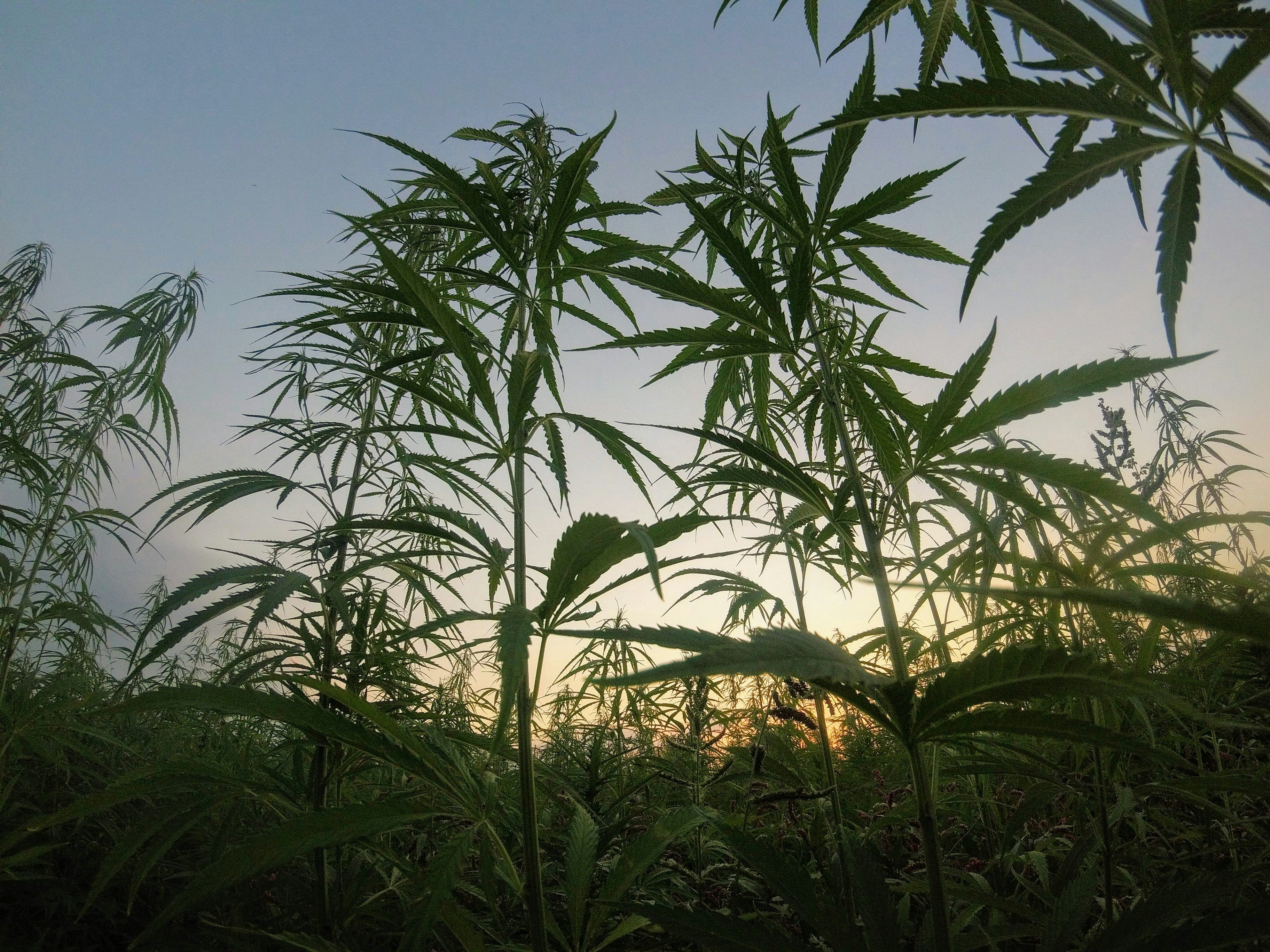
The world of cannabis can be a confusing, ever-changing landscape to navigate, whether you’re a consumer, producer, dispensary, or business owner. Laws vary state to state, causing friction, uneven product availability, and label disputes. With new regulations imminent at the federal level — and unclear enforcement protocols on the horizon — it can be hard to know how to proceed.
Back in 2018, the Farm Bill removed hemp containing less than 0.3% dry weight THC from the Schedule I substances list and allowed the cultivation and sale of products containing this ingredient. The idea was to allow industrial hemp to be produced, but what followed was a prolific expansion of hemp-derived THC products that consumers have been more than eager to purchase and enjoy, particularly in states where traditional cannabis or medical allowances remain prohibited.
In November 2025, Congress and President Trump passed an Agriculture Appropriations Act that redefines hemp and reimposes federal control of hemp-based products. This act amends previous legislation, changing the definition of what is acceptable from 0.3% THC in a dry-weight plant sample to 0.4 milligrams per container — including THCA and “any other cannabinoids that have similar effects.” This law is set to go into effect 365 days from the date the act was signed, which would be November 12, 2026.
What this means is that every product that could potentially get you high – from flower to drinks to tinctures, gummies, and more – would once again be illegal. This move would shut down thousands of small businesses, remove jobs from 380,000 workers, and eliminate a $79 billion economic impact to the country.
Here at The Green Letter, we’ve said before that the largely-unregulated industry does raise various concerns because without standardization some of the industry’s bad players continue to operate without penalty. However, this redefinition would do much more harm than good.

Rather than complete and abrupt prohibition, members of the U.S. Hemp Industry Roundtable convened in DC to try saving their livelihoods. Throughout more than 100 meetings in both the House of Representatives and Congress, shared concerns outlined the three- to five-week decision-making period for the 2026 planting season – one that could cause irreparable damage without being immediately addressed. These leaders aren’t seeking an unregulated, free-for-all market. On the contrary, most believe that federal regulation of hemp-derived products would be a benefit for producers, retailers, and consumers.
In recent weeks, both chambers have introduced extension provisions. Congressman Morgan Griffith introduced a new bill in January – the HEMP Act – which would also aid in delaying the abrupt ban of current farm-bill compliant products until 2028 and provide the industry with enough time to adopt safer protocols for consumption and sales.
According to Griffith, “I am proud to lead the effort in the House along with Representative Veasey to present a path forward for the federal regulation of CBD products. After discussions with stakeholders, federal officials and other relevant authorities, I believe the HEMP Act is a positive step forward to deliver federal clarity to the American hemp landscape, protecting consumers and providing a stable marketplace for legitimate producers.”
I believe the HEMP Act is a positive step forward to deliver federal clarity to the American hemp landscape, protecting consumers and providing a stable marketplace for legitimate producers.
Additionally, congressman Jim Baird submitted an amendment that would “delay the redefining of hemp by 1 year.” The various movements and negotiations throughout congress underscore the need for a cohesive solution and the understanding that arriving at the solution will take time.
Currently, federal regulations in place for delta-9 THC and THCA outline testing no more than 30 days before harvest on a dry-weight basis, but product-testing protocols are performed at the state level and vary widely. This new federal law would set milligram limits for all potentially-intoxicating products while ensuring sales pathways are legal and responsible, and at the same time, allowing growth opportunities for retail outlets like convenience stores.
Despite approaching cannabis rescheduling, uncertainties for the hemp industry have ripple effects that extend far beyond the grower and the consumer. Without clear definitions and consistency across states, greenhouses, production facilities, and testing laboratories, there will always be two sides of the same coin – those doing what they can to support consumer choices with the best intention, and those who cut corners and sell as much as they can to whoever is ready to purchase.
In an industry with so much volatility, consistent regulation, testing, and enforcement is the best solution for everyone involved — something most everyone agrees upon. Abruptly changing imperative definitions for a multi-billion dollar industry would not only cripple the livelihoods of millions of people, it would also remove any semblance of trust the industry had in the government, and force a lot of consumption back underground — something no one desires.
If your business operates in the hemp industry, the most helpful thing you can do is to speak up! Get involved. Make the phone calls. Write to your legislators.
Visit the U.S. Hemp Roundtable website to help block the Hemp Ban and stay up-to-date with the latest news and alerts.
Have a story to share? Email us at [email protected] to recommend subjects for our interviews, suggest products to feature, submit letters to the editor, or share community news and updates.